Professional El Cajon Top Landscaping for Stunning Outdoor Spaces
Enhance Your Outdoor Environment: Professional Landscaping Advice for a Beautiful Residential Garden
Turning an exterior area into a stunning home garden requires careful planning and intentional execution. By assessing the characteristics of a property, homeowners can establish specific garden view this objectives. Selecting vegetation that suit the local climate is essential. Furthermore, integrating functional landscape features enhances both visual appeal and usability. Yet, the undertaking doesn't finish there. Learning how to sustain vibrancy and environmental health can take any garden higher. What methods ensure lasting results?
Assess Your Space to Define Your Landscaping Goals
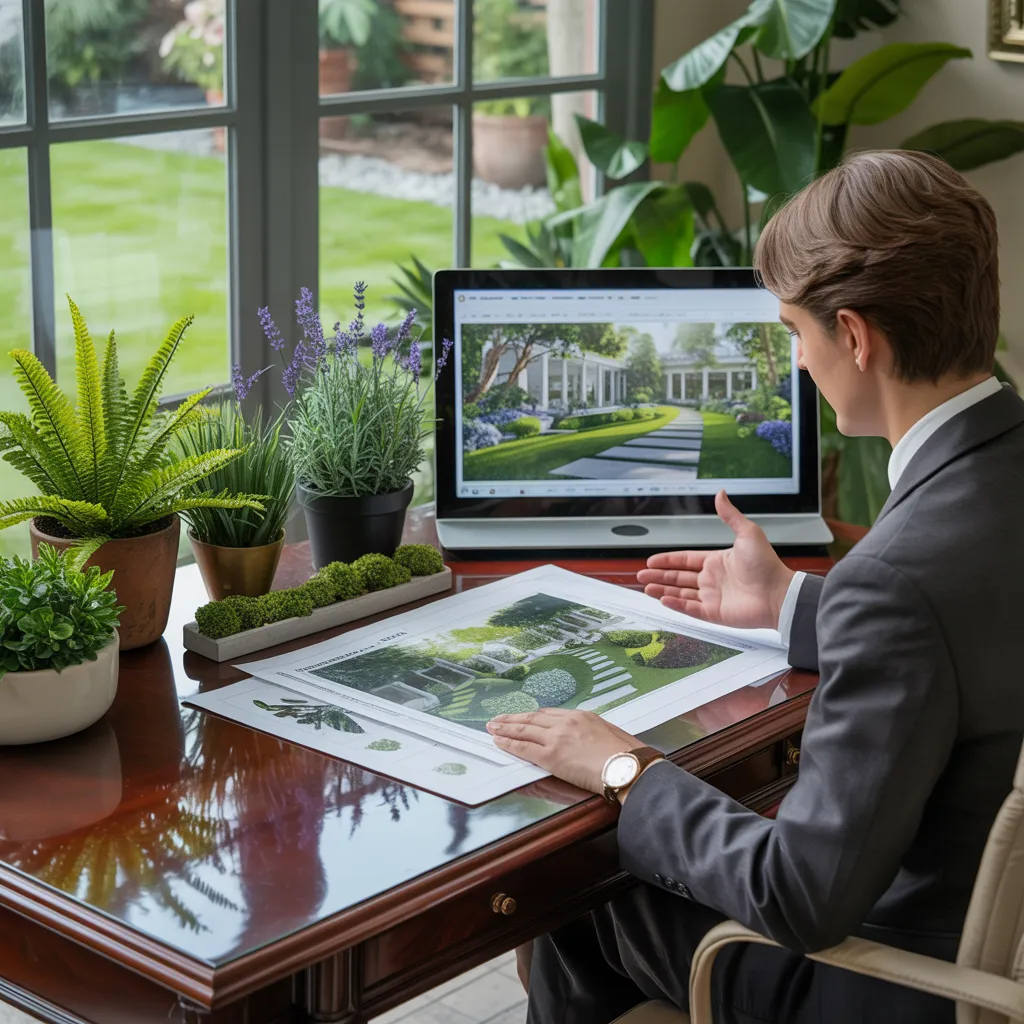
Before proceeding with any garden project, it is essential for homeowners to thoroughly assess their outdoor space. This preliminary assessment allows them to understand the distinct characteristics of their yard, such as sun conditions, soil composition, and existing plants. Identifying these elements helps in determining which types of landscape elements can be successfully integrated into the space.
Homeowners should take measurements and document any barriers such as vegetation, barriers, or walkways that may affect the layout. Additionally, recognizing personal preferences and lifestyle needs—including entertainment spaces, gardening, or relaxation—can guide the garden objectives. By specifically establishing these goals, homeowners establish a solid foundation for a unified and practical exterior space. This careful evaluation results in a more successful and satisfying garden renovation, guaranteeing the outdoor space not just enhances the home's aesthetic but also satisfies the practical needs of its inhabitants.
Select the Best Plants for Your Local Climate
Picking the right plants for a particular region is vital for establishing a flourishing exterior environment. Comprehending regional climate conditions, including temperature ranges, precipitation, and moisture levels, enables homeowners choose plants that will flourish. Native plants typically adjust most effectively, needing minimal maintenance and water. For example, water-efficient plants are ideal for arid regions, while moisture-loving species thrive in humid climates.
Gardeners should additionally take into account seasonal changes; choosing vegetation that offers continuous appeal enhances the landscape. Spring-flowering plants, summer perennials, and vibrant fall foliage can create a dynamic visual experience. Additionally, speaking with local gardening centers or extension services can offer valuable insights into sturdy vegetation suited to particular environments.
Eventually, a strategically designed plant selection not just improves beauty but also promotes native fauna and advances environmental sustainability, which makes it a smart decision for every outdoor space transformation.
Elevate Your Garden Through Useful Hardscape Additions
Functional hardscaping elements act as vital components in shaping exterior areas and maximizing their practicality. By incorporating seating areas and professionally planned walkways, homeowners can create inviting environments that encourage comfort and mobility. Additionally, edging can establish different zones within the garden, contributing organization and visual interest.
Structure Your Exterior Environment
Creating a carefully planned outdoor space can convert a yard into an inviting retreat. One effective way to achieve this is through functional hardscaping elements, which create organization and organization. Walkways made from stone or brick guide guests while adding visual interest. Support walls can create tiered levels, improving the landscape's appearance and stopping soil loss. Barriers or lattices can delineate boundaries, providing privacy and a sense of enclosure. Incorporating raised garden beds not only defines planting areas but also improves accessibility. These elements function together to establish separate areas that enhance both aesthetics and functionality. Ultimately, a well-defined outdoor space fosters a serene environment where homeowners can unwind and appreciate the outdoors.
Add Seating Zones
Incorporating seating areas into an outdoor space greatly enhances its usability and appeal. By integrating functional hardscaping elements, homeowners can create inviting spots for rest, gathering, or appreciating the outdoors. Options include benches, patio sets, or hammocks, each adding to the landscape's visual appeal and comfort. Thoughtfully positioning chairs near key areas like garden displays or fountains, prompts visitors to interact with their surroundings. Additionally, using materials like stone or wood can match the landscape's style, ensuring a cohesive look. Overhead coverings, such as arbors or parasols, offer relief during hot seasons, ensuring these spaces are functional year-round. Ultimately, well-designed seating areas convert a standard yard into a welcoming retreat for loved ones and guests.
Add Walkways And Edges
Walkways and borders serve as key components in exterior planning, navigating people across the garden while improving its compositional integrity. These create movement and structure, supporting the differentiation of separate spaces and planting options. Stone, brick, or gravel selections can construct sturdy passages, and borders made with vegetation or ornamental barriers improve aesthetic appeal. Exploration is promoted through walkways, which focus attention on elements like flower beds or water features. Properly maintained borders prevent weed invasion and soil loss, boosting garden health. Adding pathways and borders boosts usability and enhances decorative appeal in your garden area, transforming locations into more attractive and delightful settings.
Design Flow Through Walkways and Rest Areas
A well-designed outdoor space often features a harmonious flow achieved through thoughtfully placed pathways and seating areas. Pathways guide visitors through the garden, creating a clear sense of direction while enhancing the overall aesthetic. Using materials like stone, gravel, or wood can contribute to the pathway's visual appeal and guarantee durability.
Rest zones offer resting spots, encouraging visitors to stop and enjoy the environment. Placing seating deliberately near highlights, like a water feature or a planted area, promotes engagement with the outdoor setting. Your seating selection—chairs, benches, or even swings—will affect the mood, whether formal or relaxed.
Incorporating both pathways and seating fosters an inviting environment, enhancing usability and enjoyment. Together, they create a seamless shift between different areas of the garden, promoting exploration and relaxation, ultimately transforming any outdoor space into a tranquil retreat.
Transform Your Garden With Seasonal Tones and Depth
To improve the aesthetic quality of a landscape, thoughtful choosing of seasonal varieties is critical. Combining various textural qualities can bring dimension and engagement, as well as carefully positioned highlights can capture attention and develop a unified composition. All these aspects combined assure a lively and engaging exterior environment all year long.
Select Plants for Each Season with Care
Choosing plants for different seasons thoughtfully can transform any garden into a vibrant tapestry of color and texture. By selecting plants that bloom at different times throughout the year, gardeners can guarantee a continuous display of beauty. Spring bloomers, summer-flowering plants, autumn perennials, and cold-season evergreens each add distinctive colors and shapes to the landscape. It is important to consider local climate conditions and soil types, as well as the plants' growing patterns. Native species often perform better while needing less care, enhancing biodiversity. Additionally, combining plants with varying heights and bloom times can achieve an engaging visual presentation. Ultimately, mindful plant choices fosters a landscape that changes with seasonal shifts, delivering enjoyable displays throughout all seasons.
Develop Layered Textures To Create Visual Depth
Establishing depth in a garden requires layering textures that complement and enhance seasonal color. By integrating diverse plant species with different leaf patterns, heights, and color schemes, one can achieve a visually dynamic landscape. For instance, blending large-leaved plants with soft grasses can generate visual contrast and fascination. Additionally, integrating bark, stones, and other natural materials brings in tactile elements that enrich the overall experience. Seasonal blooms should be thoughtfully placed to offer color bursts across seasons, maintaining ongoing visual engagement. This deliberate composition not only draws the eye across the garden but also fosters an immersive atmosphere where every detail contributes to the garden's beauty and harmony.
Position Visual Anchors Strategically
Strategically incorporating focal points can markedly enhance a garden's aesthetic appeal and seasonal vibrancy. These primary focal elements serve as anchors that draw the eye and create a cohesive design. Gardeners can utilize pieces such as monuments, decorative specimens, or striking beds to set up visual interest. Colorful blooms can be woven into the deliberate curation of plants with varying bloom schedules, preserving the garden's energy throughout all seasons. Textures also play a significant role; combining smooth stone paths with rough bark or lush foliage adds depth. By carefully positioning these details, a gardener can create an inviting atmosphere that encourages exploration and appreciation, transforming an outdoor space into an engaging retreat.
Adopt Eco-Friendly Strategies for a Healthy Garden
Adopting sustainable approaches is essential for cultivating a flourishing garden that grows in sync with the surroundings. Gardeners are encouraged to use native plants, which need lower liquid and attention while strengthening local fauna. Using sustainable horticultural practices, including nutrient recycling and natural pest solutions, can greatly reduce pesticide application, building a stronger biological system.
Water-efficient approaches, including precision irrigation and rainwater harvesting, strengthen environmental responsibility by improving resource use. Mulching conserves water additionally prevents weeds, lowering the necessity for herbicides. Furthermore, supporting plant variety by including varied vegetation fosters strength against pest infestations plus pathogens.
Healthy soil is vital; methods such as crop rotation and protective cropping preserve soil nutrients excluding the need for chemical fertilizers. By utilizing these environmentally-conscious practices, horticulturists can develop a thriving garden that fosters vegetation and the natural world, producing a more rewarding gardening pleasure.
Manage Standard Problems for Throughout-the-Year Landscape Beauty
A properly-cared-for planted area can experience multiple obstacles year-round, influencing its total beauty and vigor. Frequent challenges encompass pest infestations, insufficient nutrients, as well as inadequate water supply. Detecting pests early is important; horticulturists should regularly check plant parts for signs of damage and address pest issues employing organic pesticides alternatively bringing in helpful insects.
Nutrient deficiencies frequently display as discolored leaves or reduced growth. Doing soil examinations can enable identify distinct requirements, enabling for strategic fertilization to re-establish stability. Additionally, maintaining appropriate watering is vital; over-irrigation can cause root decay, on the other hand under-irrigation pressures plants.
Changes in seasons additionally call for modifications in maintenance. In winter, applying mulch shields plant roots from frost, whereas warm months can necessitate increased watering plus shaded areas to protect sensitive plants. Through addressing these common issues promptly
Should I Undertake Garden Design on My Own or Employ a Professional?
You can definitely manage outdoor landscaping on your own, tapping into online resources and original ideas. Yet, employing a specialist guarantees expertise, productivity, and enhanced results, particularly for intricate layouts or substantial jobs that need advanced techniques.
Which Tools Are Important for Home Landscaping?
Important items for yard landscaping contain a standard rake, spade, spade, hedge shears, garden cultivator, and a watering hose or watering can. These implements enable productively maintain ground, greenery, and overall garden maintenance, delivering effective landscaping
How Do I Maintain My Landscape Over the Growing Season?
If you want to preserve a garden area year-round, frequently pruning garden plants is critical, spreading wood mulch for thermal protection is vital, watching hydration levels counts, and using seasonal planting methods is recommended. Also, insect control and soil fertilization are required for vigorous, healthy vegetation.